
Introduction: A Simple Start to a Healthier You
Starting a healthy lifestyle doesn’t mean turning your life upside down overnight. You don’t need strict diets, expensive gym memberships, or extreme routines to feel better and improve your fitness. In reality, the most effective changes are often the simplest ones.
Many people across the UK and USA struggle with busy schedules, unhealthy eating habits, lack of movement, and poor sleep. Over time, these habits can affect energy levels, mood, and overall wellbeing.
The good news is that improving your health is completely achievable. By making small, consistent changes to your daily routine, you can build a lifestyle that supports both your body and mind.
At FitPulse Hub, we believe that true fitness is about feeling strong, energised, and confident, not just looking good.
What Does a Healthy Lifestyle Really Mean?
A healthy lifestyle is about balance. It’s not about perfection or strict rules—it’s about making choices that support your long-term wellbeing.
A well-rounded healthy lifestyle includes:
- Staying physically active
- Eating nutritious and balanced meals
- Getting enough quality sleep
- Managing stress effectively
- Building positive daily habits
Instead of chasing quick results, focus on creating habits that you can maintain for years. Small improvements made consistently can lead to powerful long-term results.
1. Move Your Body Every Day
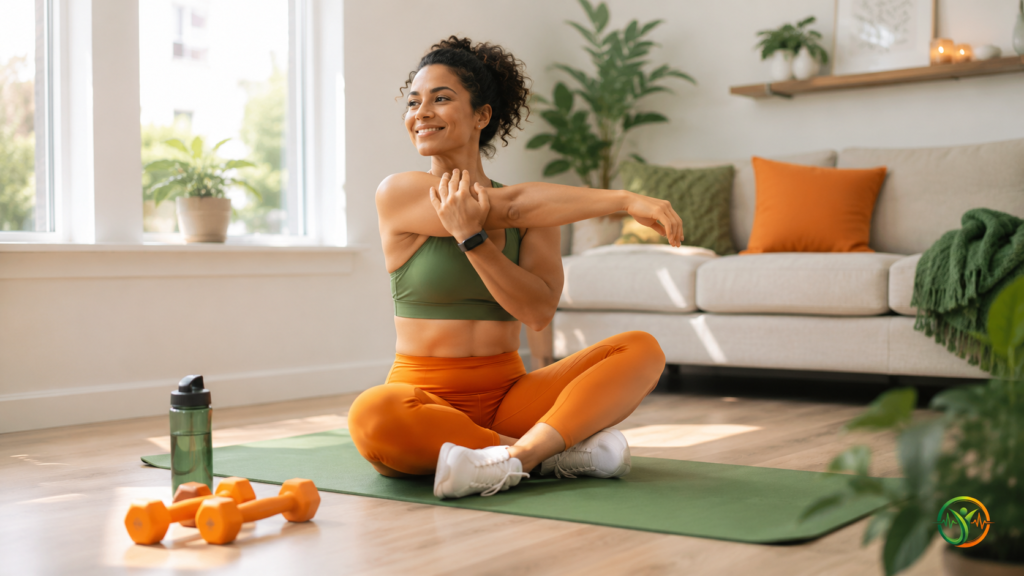
One of the easiest ways to improve your health is to stay active. You don’t need a gym or fancy equipment to get started.
Simple activities like:
- Walking around your neighbourhood
- Light stretching
- Cycling
- Home workouts
- Basic strength exercises
can make a big difference.
Regular movement helps improve heart health, strengthen muscles, boost mood, and maintain a healthy weight.
If you’re just starting out, aim for 20–30 minutes of activity most days. The key is consistency—not intensity. A simple routine you stick to is far more effective than an extreme plan you abandon after a week.
2. Eat a Balanced and Nutritious Diet
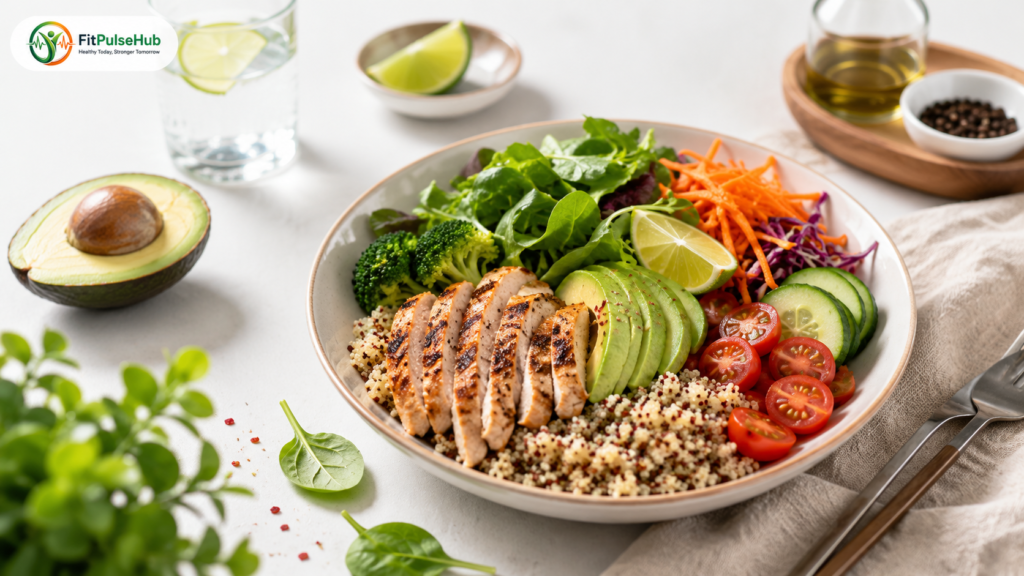
What you eat plays a major role in how you feel and perform each day. Your body needs the right nutrients to function properly, recover, and stay energised.
A balanced diet should include:
Protein
Protein supports muscle repair and growth. Good sources include:
- Eggs
- Chicken
- Fish
- Greek yoghurt
- Beans and lentils
- Nuts
Fruits and Vegetables
These provide essential vitamins, minerals, and antioxidants that support overall health.
Healthy Carbohydrates
Carbs give your body energy for daily activities and workouts. Choose:
- Whole grains
- Brown rice
- Oats
- Sweet potatoes
Healthy Fats
Healthy fats support brain function and hormone balance. Examples include:
- Avocados
- Olive oil
- Nuts and seeds
Healthy eating doesn’t mean cutting out all your favourite foods. It’s about balance—making better choices most of the time while still enjoying life.
3. Stay Hydrated Throughout the Day

Water is essential for nearly every function in your body. It helps with digestion, energy levels, temperature control, and overall performance.
Not drinking enough water can lead to:
- Fatigue
- Headaches
- Poor focus
- Reduced workout performance
Make it a habit to drink water regularly, even before you feel thirsty. Keeping a water bottle with you can help you stay on track.
If you’re active or exercise regularly, you may need to drink more to replace fluids lost through sweat.
4. Build a Simple Exercise Routine
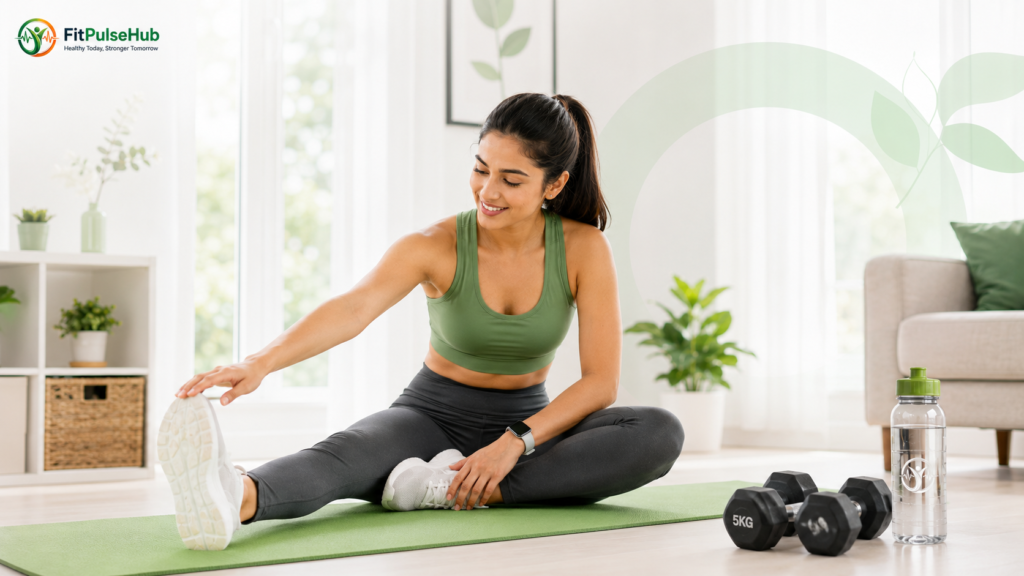
Exercise is one of the most important parts of a healthy lifestyle. It helps improve strength, supports weight management, and reduces stress.
A beginner-friendly routine can include:
Strength Training
Strength exercises help build muscle and improve overall body strength.
Examples:
- Squats
- Push-ups
- Lunges
- Light weight training
Cardio Training
Cardio improves heart health and endurance.
Examples:
- Walking
- Jogging
- Cycling
- Swimming
The best workout is one you enjoy and can stick with. Start slowly, focus on proper form, and gradually increase your activity level.
5. Get Enough Quality Sleep
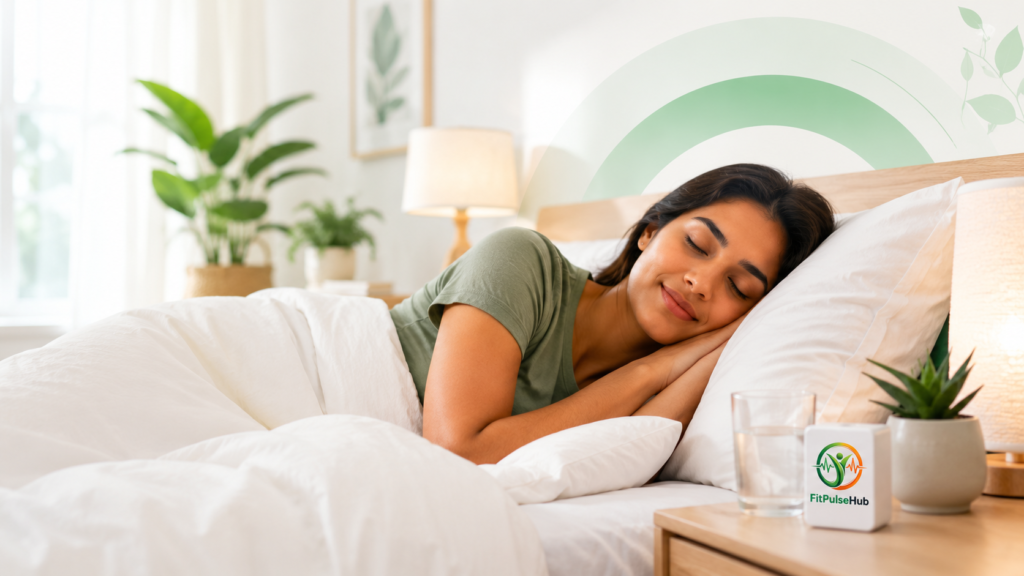
Sleep is often overlooked, but it plays a huge role in your health.
Good sleep helps your body:
- Recover after exercise
- Maintain energy levels
- Support brain function
- Manage stress
Most adults need around 7–9 hours of sleep each night.
To improve your sleep:
- Stick to a regular sleep schedule
- Limit screen time before bed
- Create a calm and relaxing bedtime routine
- Avoid heavy meals late at night
Quality sleep is not optional—it’s essential for a healthy lifestyle.
6. Take Care of Your Mental Health
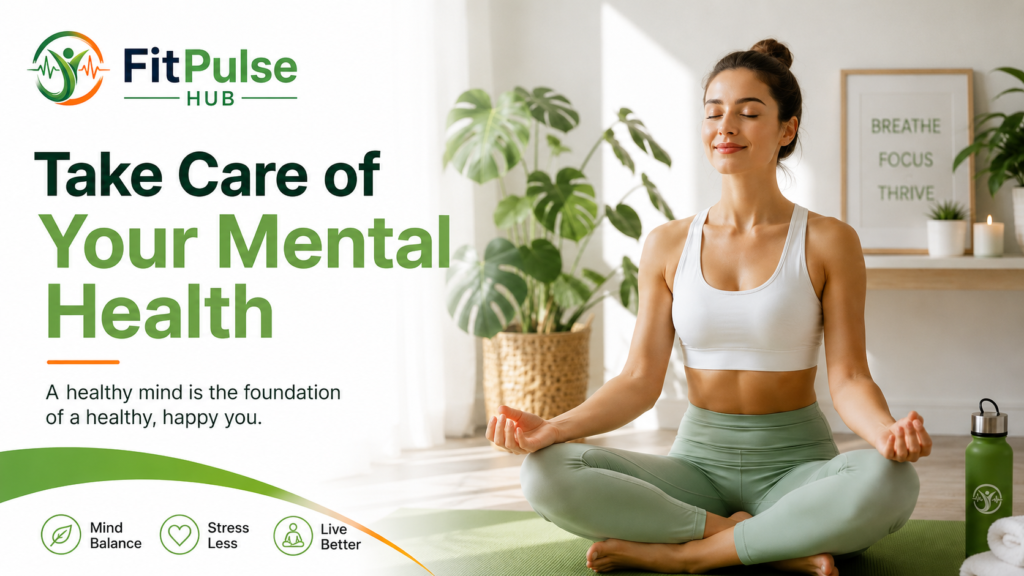
Your mental wellbeing is just as important as your physical health. Stress is a normal part of life, but too much of it can affect your energy, mood, and overall health.
High stress levels can lead to:
- Poor sleep
- Low motivation
- Emotional eating
- Fatigue
Healthy ways to manage stress include:
- Meditation or mindfulness
- Deep breathing exercises
- Spending time outdoors
- Reading or relaxing hobbies
- Talking to friends or family
- Regular exercise
Taking time to care for your mental health can improve every area of your life.
7. Cut Back on Unhealthy Habits

Improving your lifestyle also means reducing habits that may be holding you back.
Try to limit:
- Excess sugar intake
- Highly processed foods
- Sitting for long periods
- Poor sleep routines
- Lack of movement
You don’t need to change everything at once. Focus on improving one habit at a time. Small changes can lead to big results over time.
8. Set Realistic and Achievable Goals
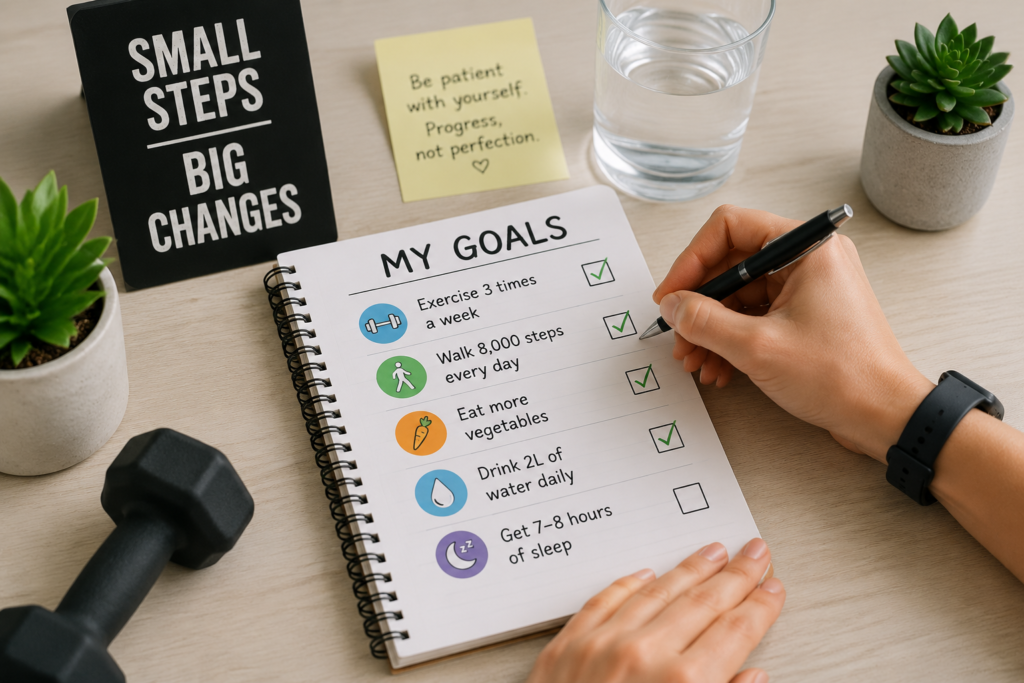
Many beginners lose motivation because they expect fast results.
Instead of aiming for drastic changes, set simple and realistic goals such as:
- Exercising three times a week
- Walking more each day
- Eating more vegetables
- Drinking enough water
- Improving sleep habits
Track your progress and celebrate small wins. Fitness is a journey, not a race.
9. Stay Consistent for Long-Term Results
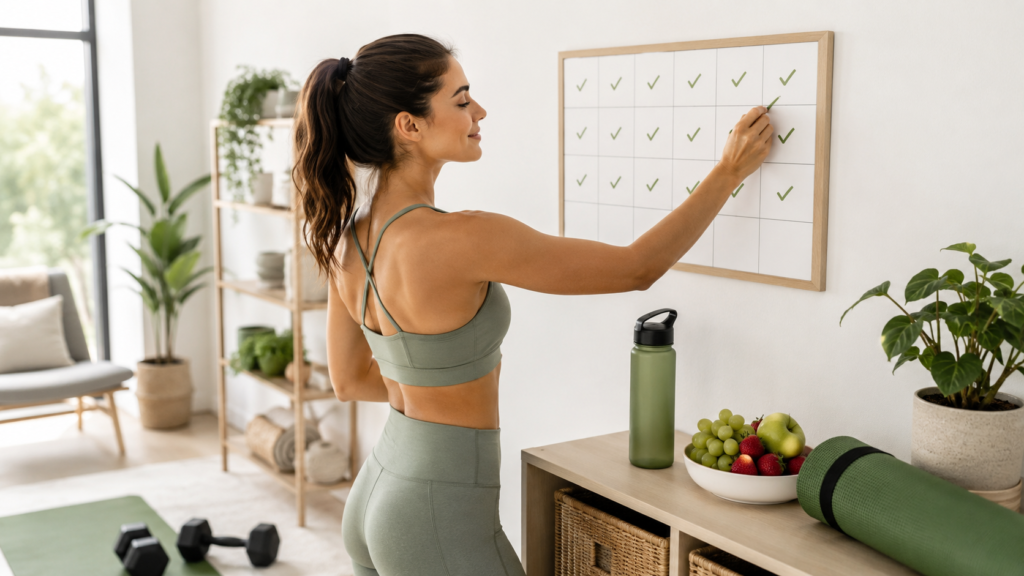
Consistency is the key to success in any fitness journey.
One healthy meal or one workout won’t change your life—but repeating healthy habits every day will.
Remember:
- Progress takes time
- Results don’t happen overnight
- Small actions add up
Focus on building habits you can maintain long-term rather than chasing quick fixes.
10. Make Healthy Living a Lifestyle
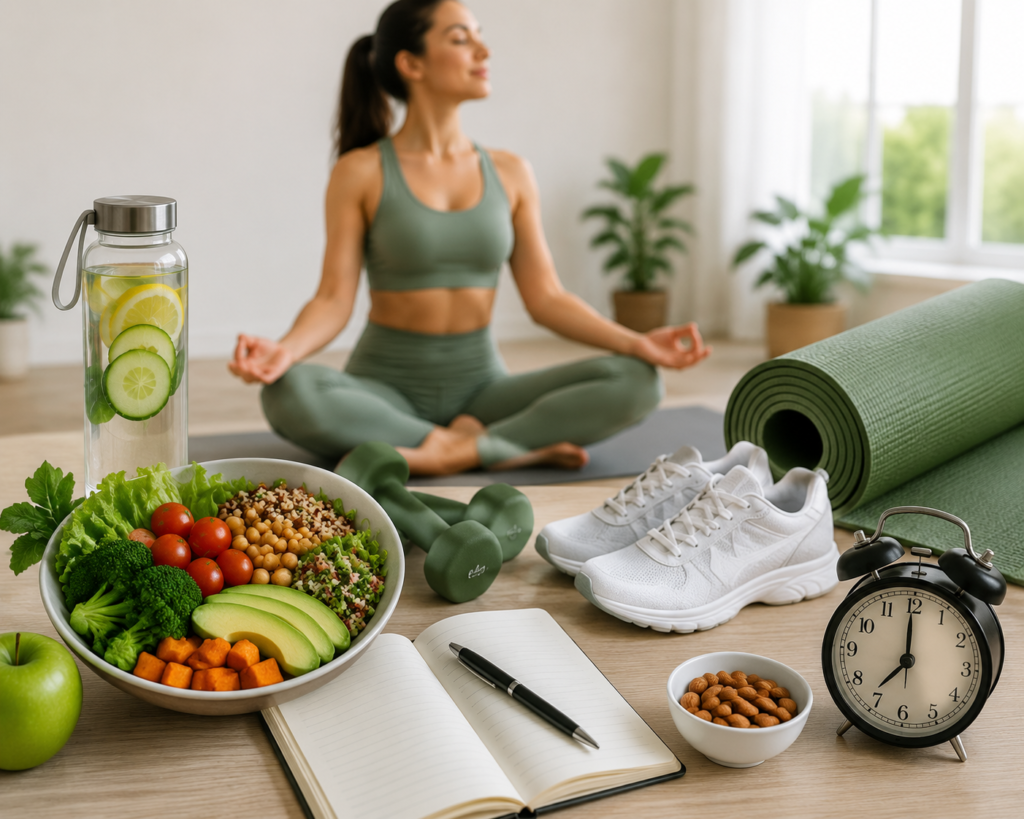
A healthy lifestyle shouldn’t feel like a temporary challenge. It should become part of your daily life.
Instead of thinking:
“I’m on a diet”
Think:
“I’m making better choices for my health”
Instead of:
“I have to exercise”
Think:
“I’m taking care of my body”
This simple mindset shift can make healthy living feel more natural and enjoyable.
Common Mistakes Beginners Should Avoid
Following Extreme Diets
Strict diets are hard to maintain and often don’t provide enough nutrients.
Doing Too Much Too Soon
Overtraining can lead to injuries and burnout. Start slow and build gradually.
Comparing Yourself to Others
Everyone’s journey is different. Focus on your own progress.
Ignoring Rest and Recovery
Rest days and proper sleep are essential for improvement and long-term success.
Final Thoughts
Starting a healthy lifestyle doesn’t require perfection—it requires consistency and patience.
By improving your daily habits, staying active, eating well, managing stress, and getting enough sleep, you can build a stronger and healthier version of yourself.
Remember, it’s not just about living longer—it’s about living better.
Your journey starts with one small step today.
Frequently Asked Questions (FAQs)
How can beginners start a healthy lifestyle?
Start with simple habits like walking daily, eating balanced meals, drinking enough water, and improving your sleep routine. Gradually add exercise as you become more comfortable.
How much exercise should a beginner do?
Beginners can start with 20–30 minutes of moderate activity most days and increase gradually over time.
What is the most important healthy habit?
Consistency is the most important factor. Small daily actions lead to long-term results.
Can I get fit without going to the gym?
Yes. Walking, home workouts, and bodyweight exercises are effective ways to improve fitness without a gym.
How long does it take to see results?
It depends on your habits and consistency. Many people start noticing improvements in energy and wellbeing within a few weeks.